I created 3 AI video concepts (2024 - 2025) and envisioned how AI can seamlessly support employees throughout their day. These explorations focus on making everyday interactions more contextual, personalized, and productive—transforming routine tasks into effortless experiences.
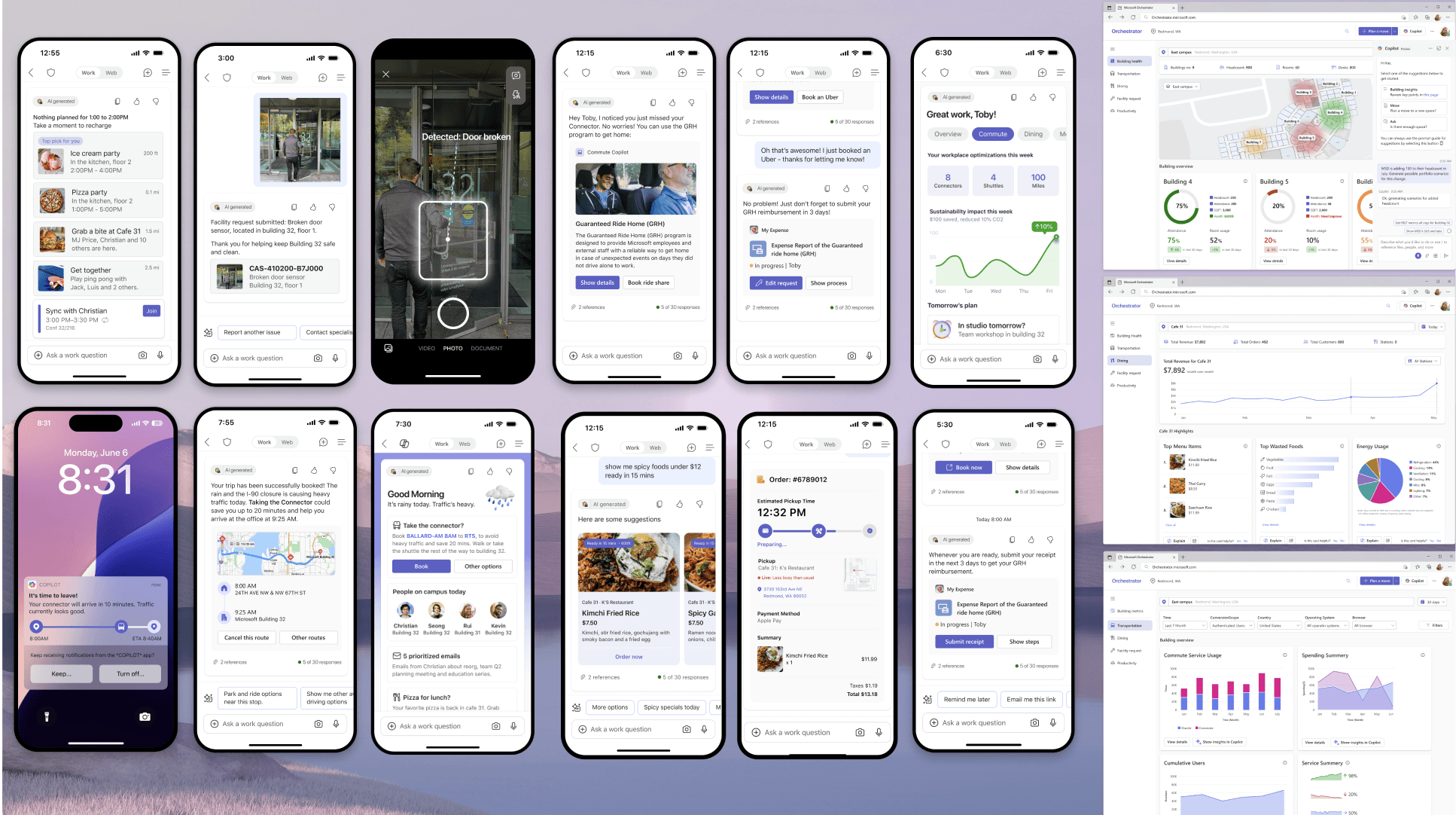
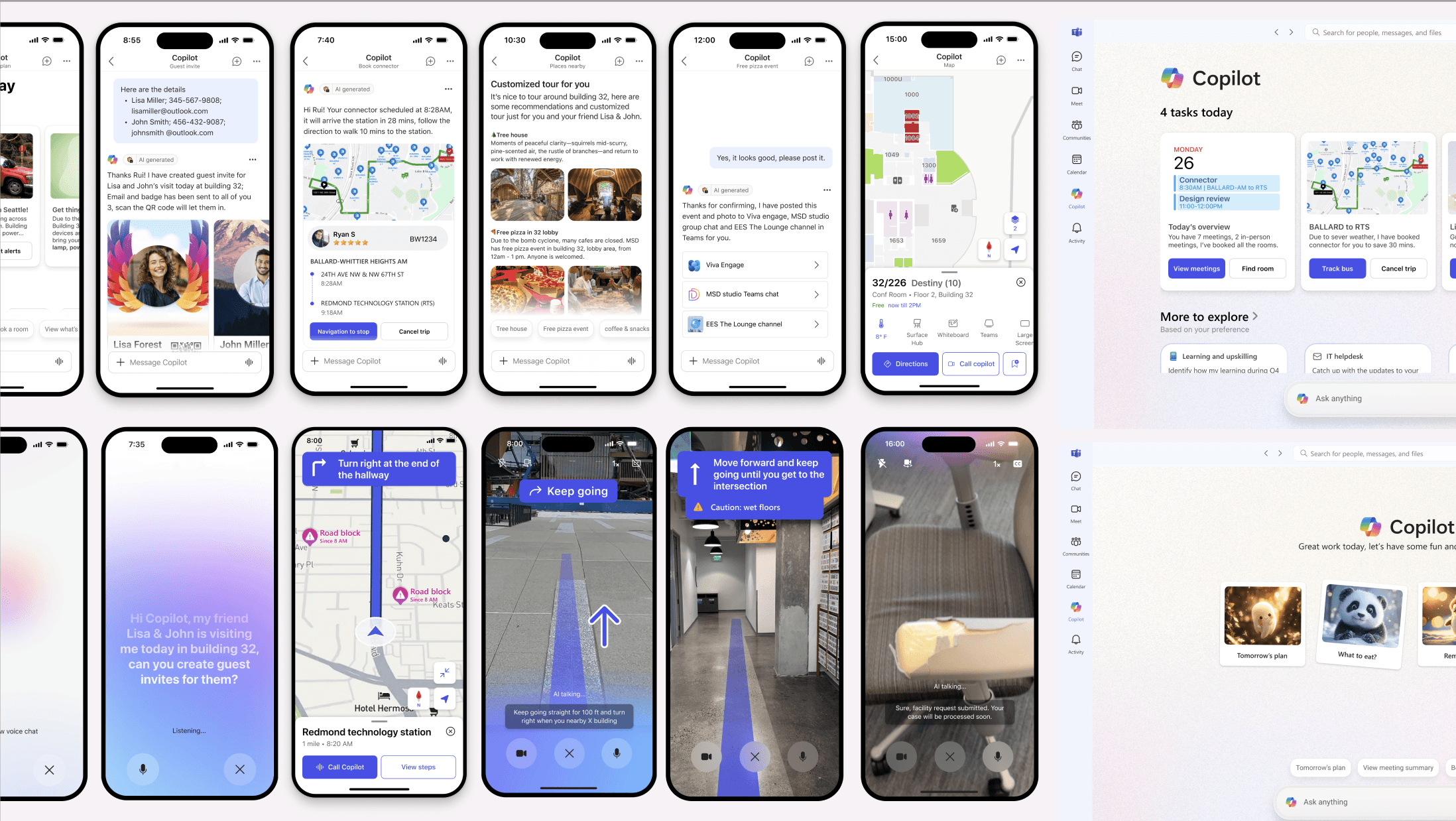
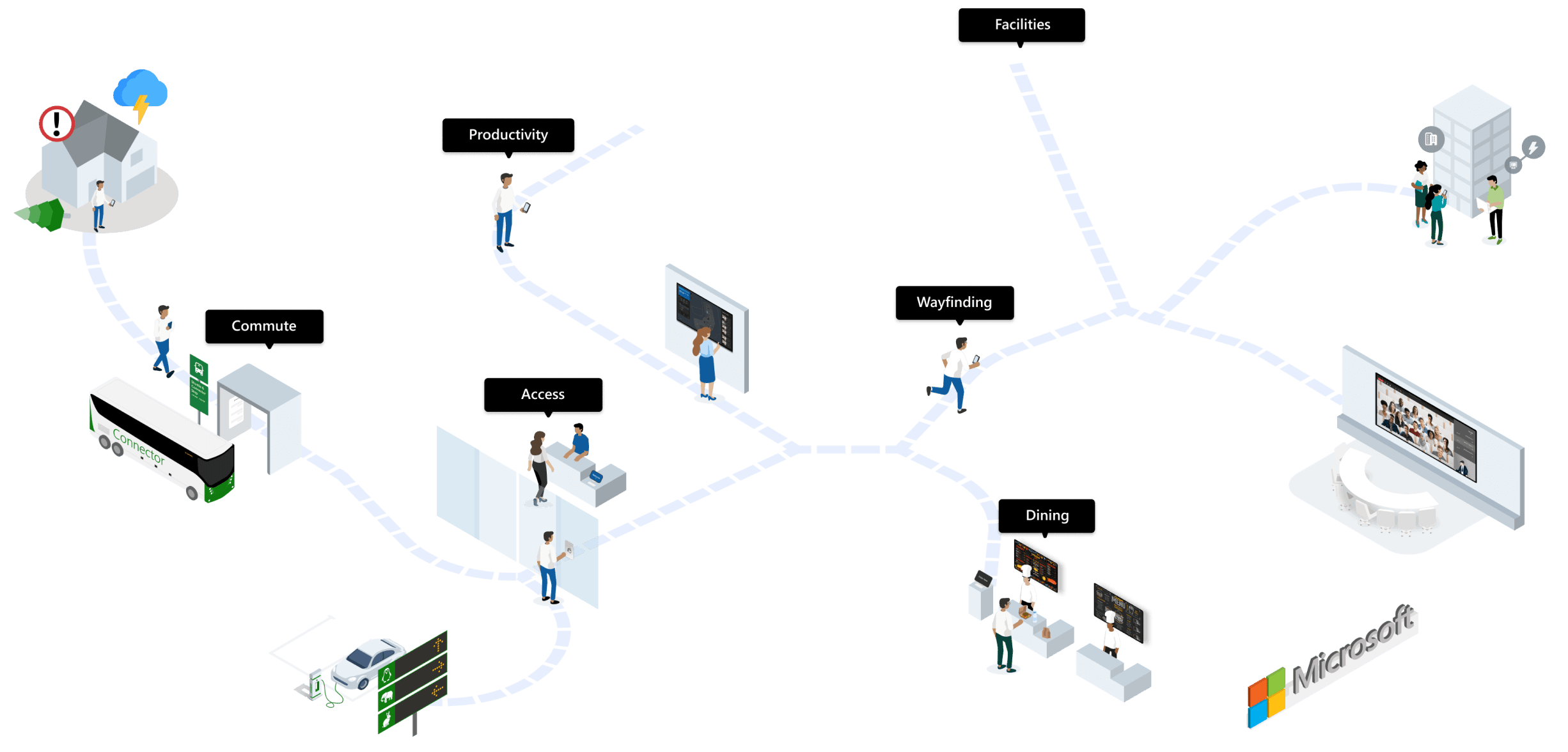
The vision showcases scenarios such as booking shuttles, find dining, way-finding across campus, planning & summarizing the day and more.
Duration:
My role:
Team:
Impact:
Videos:
2024-2025
Design lead
MSD design studio
Get vision ideas to ESS roadmap
See links below
Campus AI vision
3 videos
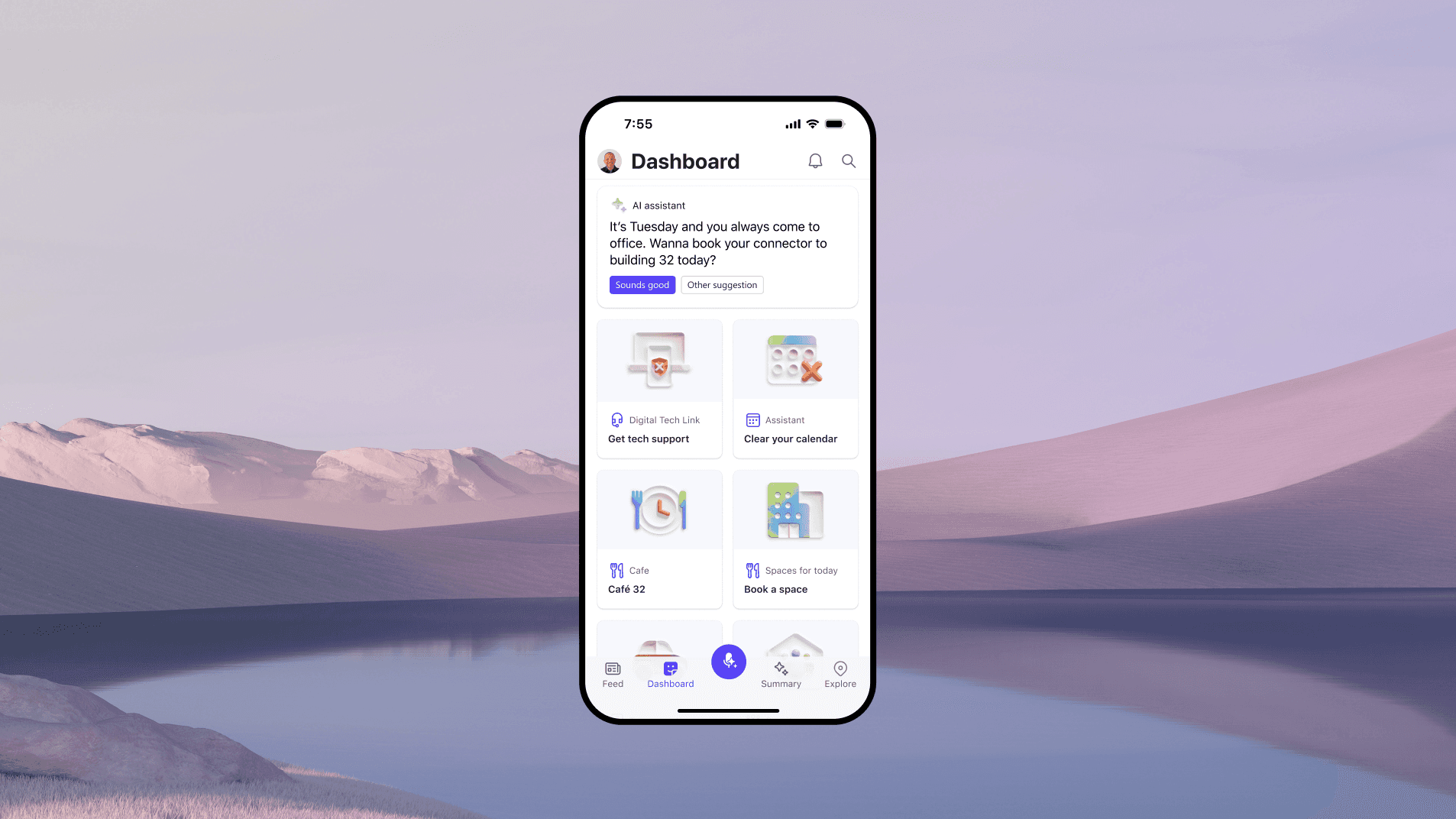
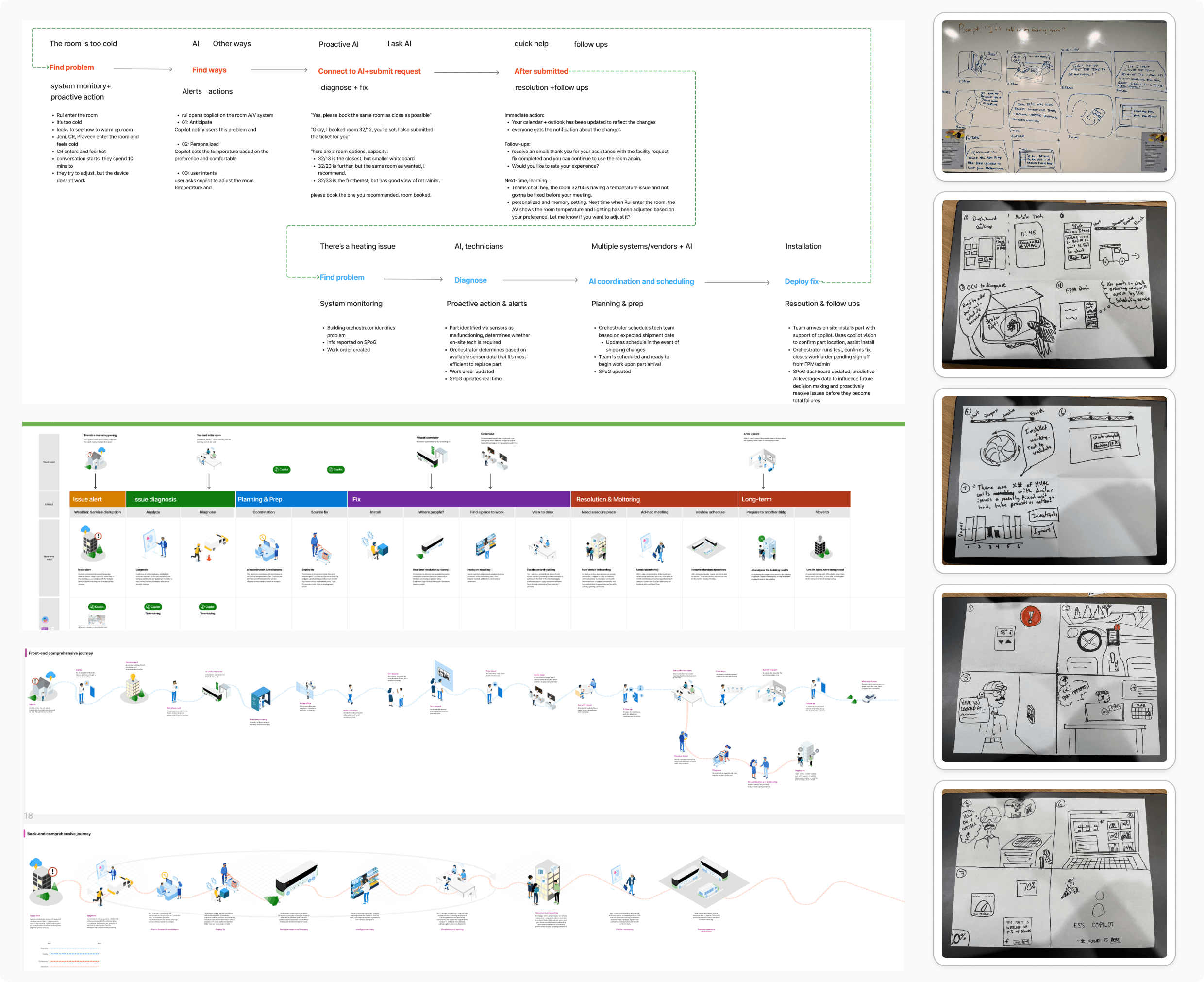
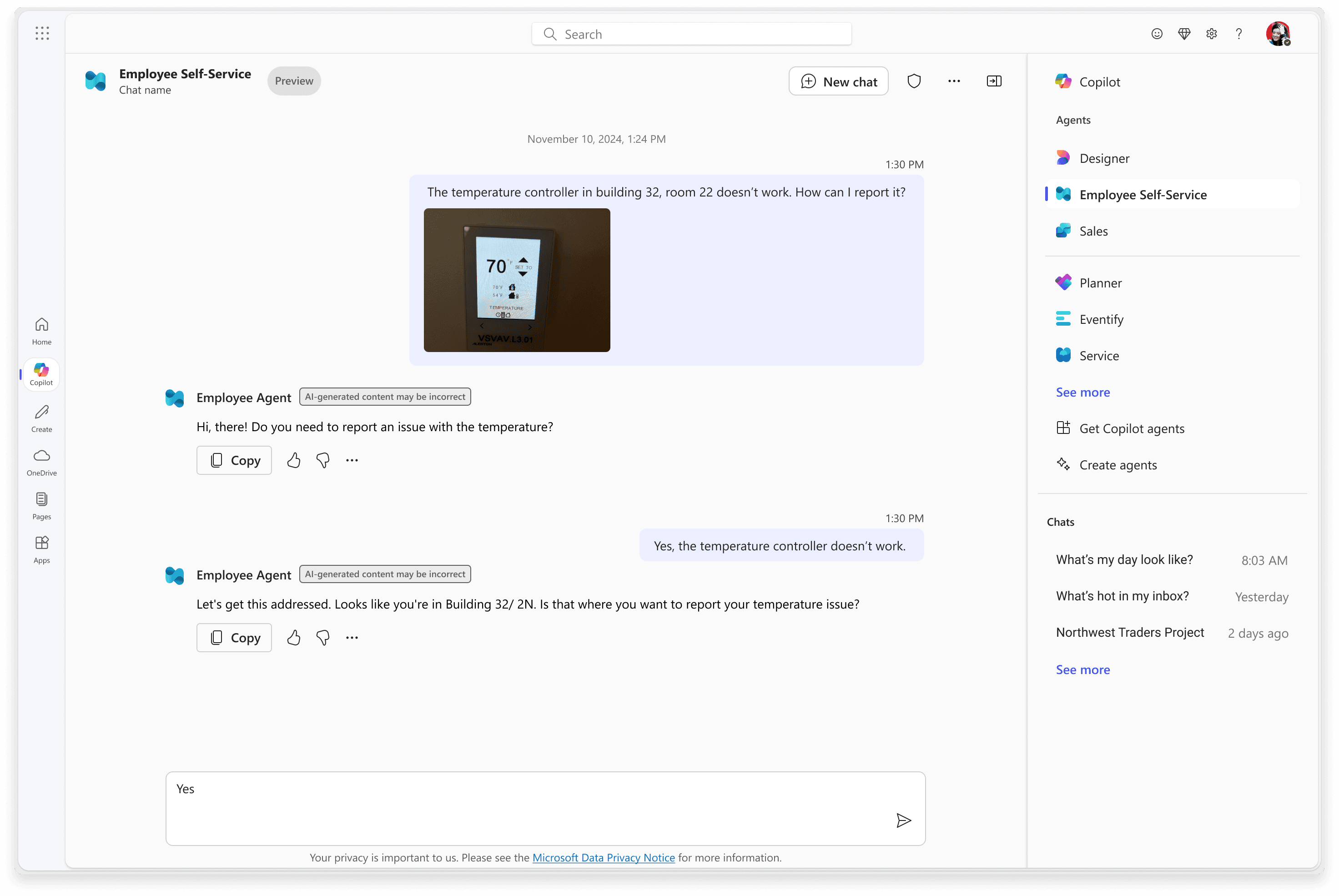
Three videos were created based on the MyHub app, ESS Copilot Agent, and Copilot, showcasing both front- and back-end experiences for Microsoft employees and facility managers, aligned with the journey map stories.
Why doing this?
Over the past 3.5 years in employee experience design, I’ve seen recurring challenges in way-finding, food ordering, commuting and etc. Our work on the Copilot ESS Agent—a web-based platform that helps employees find answers—addressed many of these, but web experiences still limit functions like payment, maps, and voice input.
I believe extending to mobile and envisioning what’t next will create a more intelligent, seamless, and context-aware experience powered by AI. As a designer, I see AI as both a creative partner and a tool to enhance efficiency—yet the true value lies in designing experiences that feel human, safe, and intuitive.
ESS agent
Envisioning the future
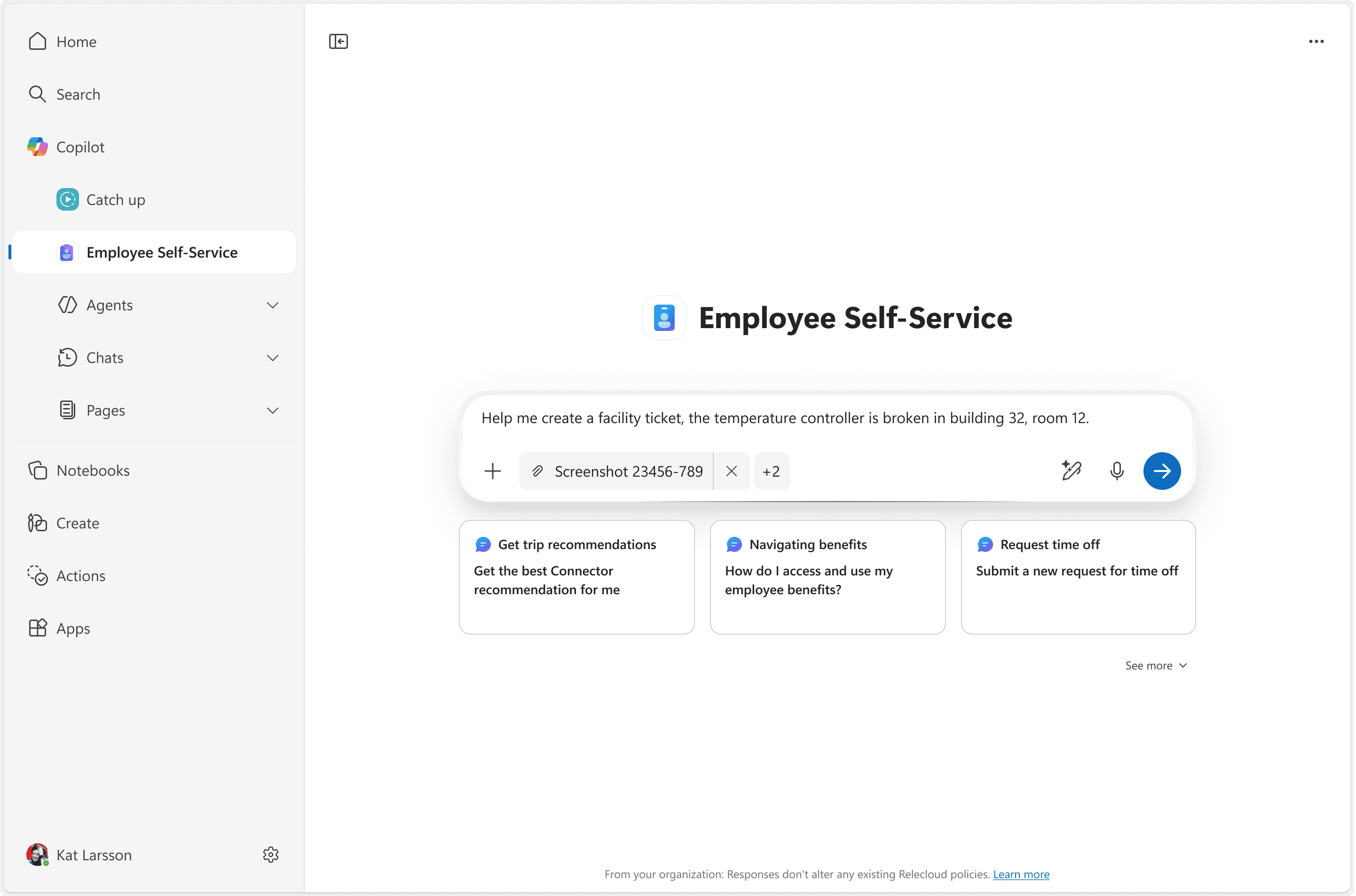
Vision strategy
There has been a growing demand for end-to-end task completion, personalization, cross-platform integration, and mobile experiences based on our research insights — all of which align closely with our vision and strategy.

Design thinking & workshop
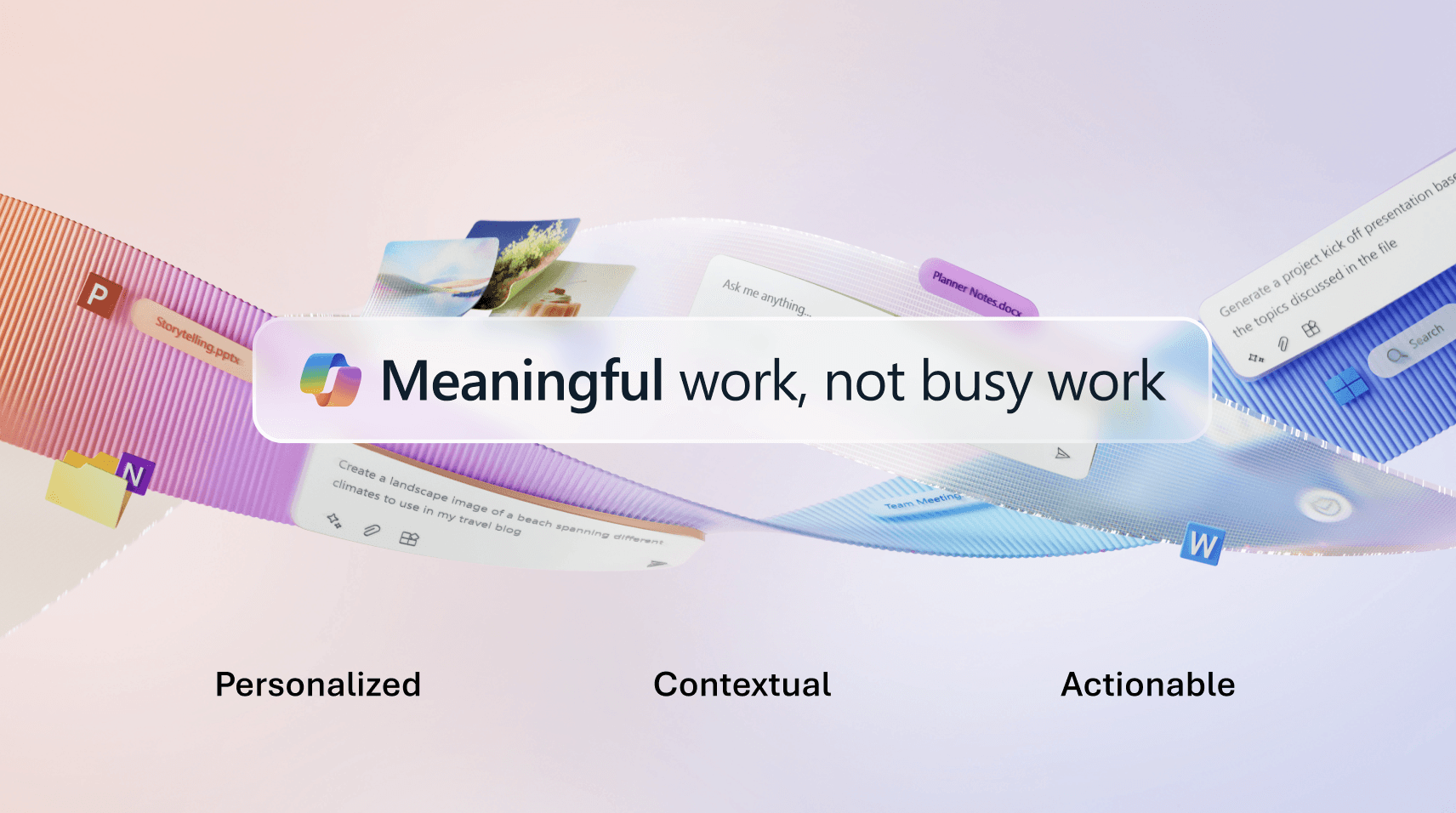
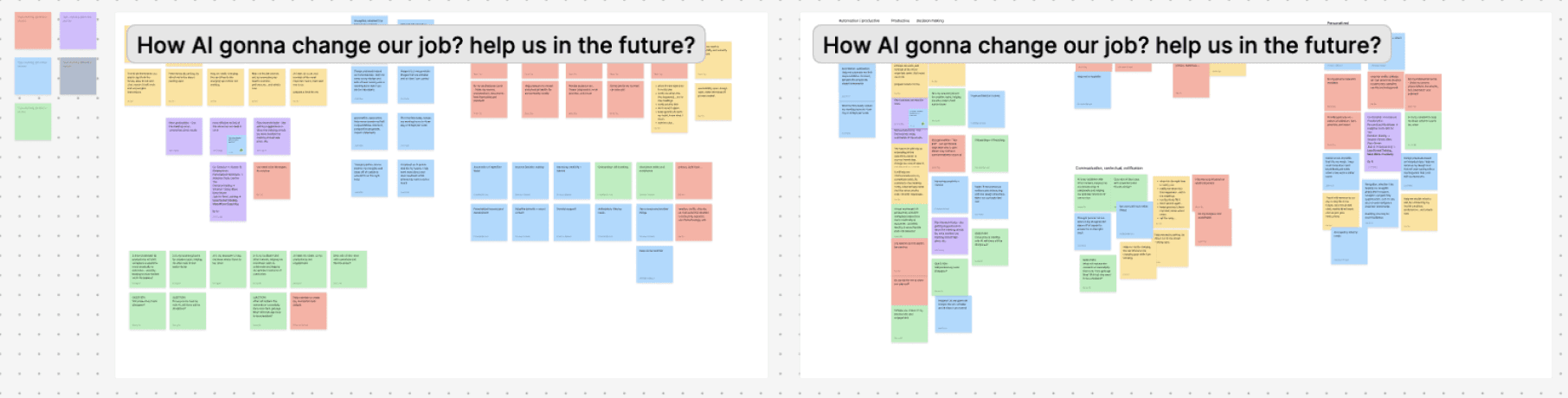
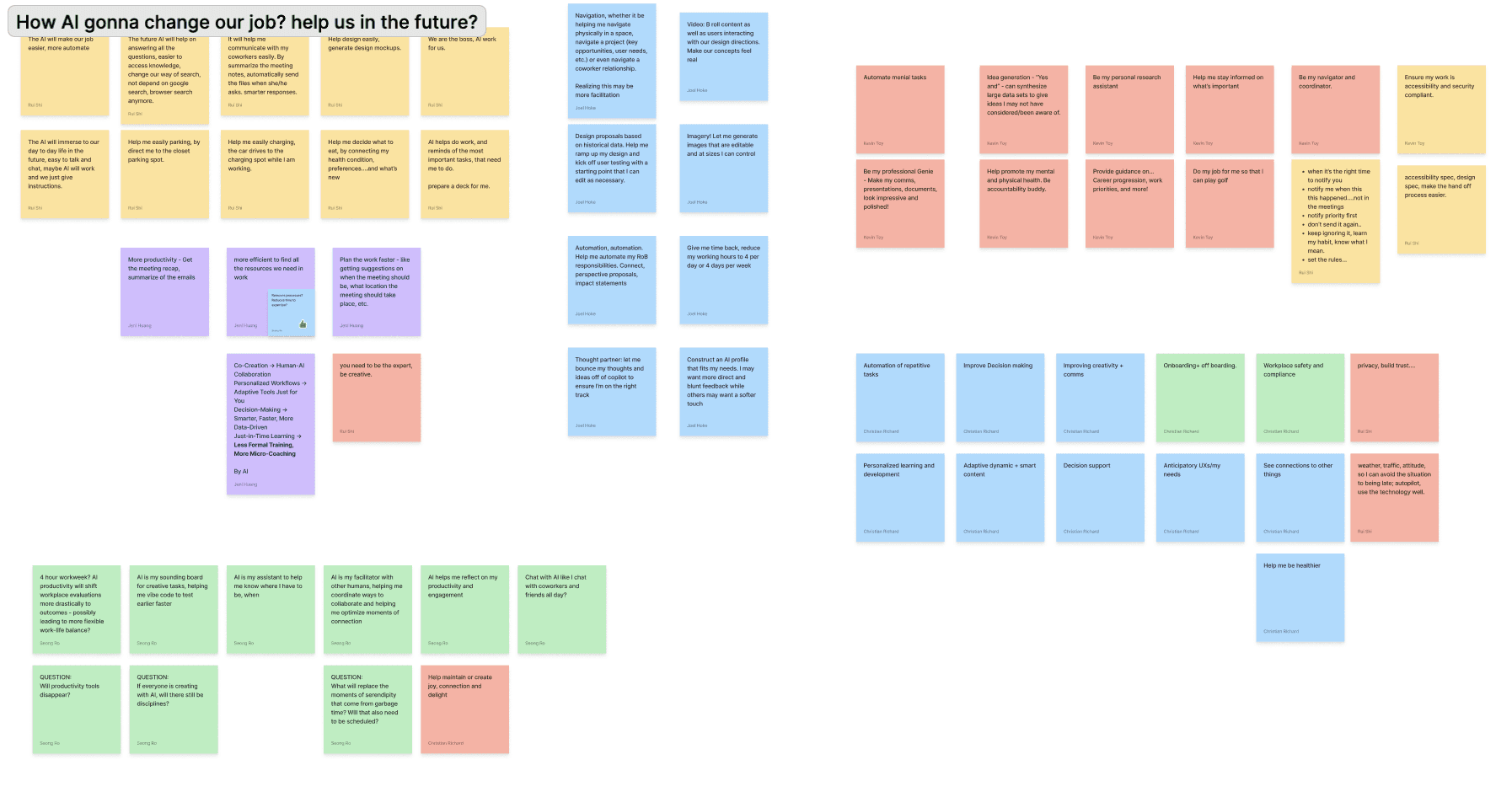
I hosted two workshops to shape the vision work. The first focused on defining the overall storyboard, and the second centered on ideation—refining the ideal daily experience and identifying key entry points. As a team, we generated 59 ideas and organized them into four main categories. I focused on the top three: productive, personalized, and contextual experiences.
Building on that foundation, I began ideating around the storyboard, connecting front-end employee experiences with back-end facility manager workflows. My concepts explored key user moments such as daily planning, summaries, dining, commuting, facility request, way-finding, and lobby guest invitations—all designed to enhance productivity and create a more seamless, intelligent experience.
47%
(28/59)
Productive/automate
24%
(14/59)
Personalized
17%
Contextual, notifications
(10/59)
(7/59)
12%
Mental health, trust



Share & validation
These vision videos and concepts were shared with the leadership team and received positive feedback. They were later presented to the PM and development teams, and several ideas have since been incorporated into the roadmap and implemented in the ESS Agent and MyHub Copilot mobile experiences.

From Sean
“ I think I love the the video very well done on a whole bunch of different fronts. The experience alone was fantastic.”
From Monica
“I mean I will be sold”
“That's where Satya and Lt are looking for examples where we can show those direct dollar received value.”
What did I learn?
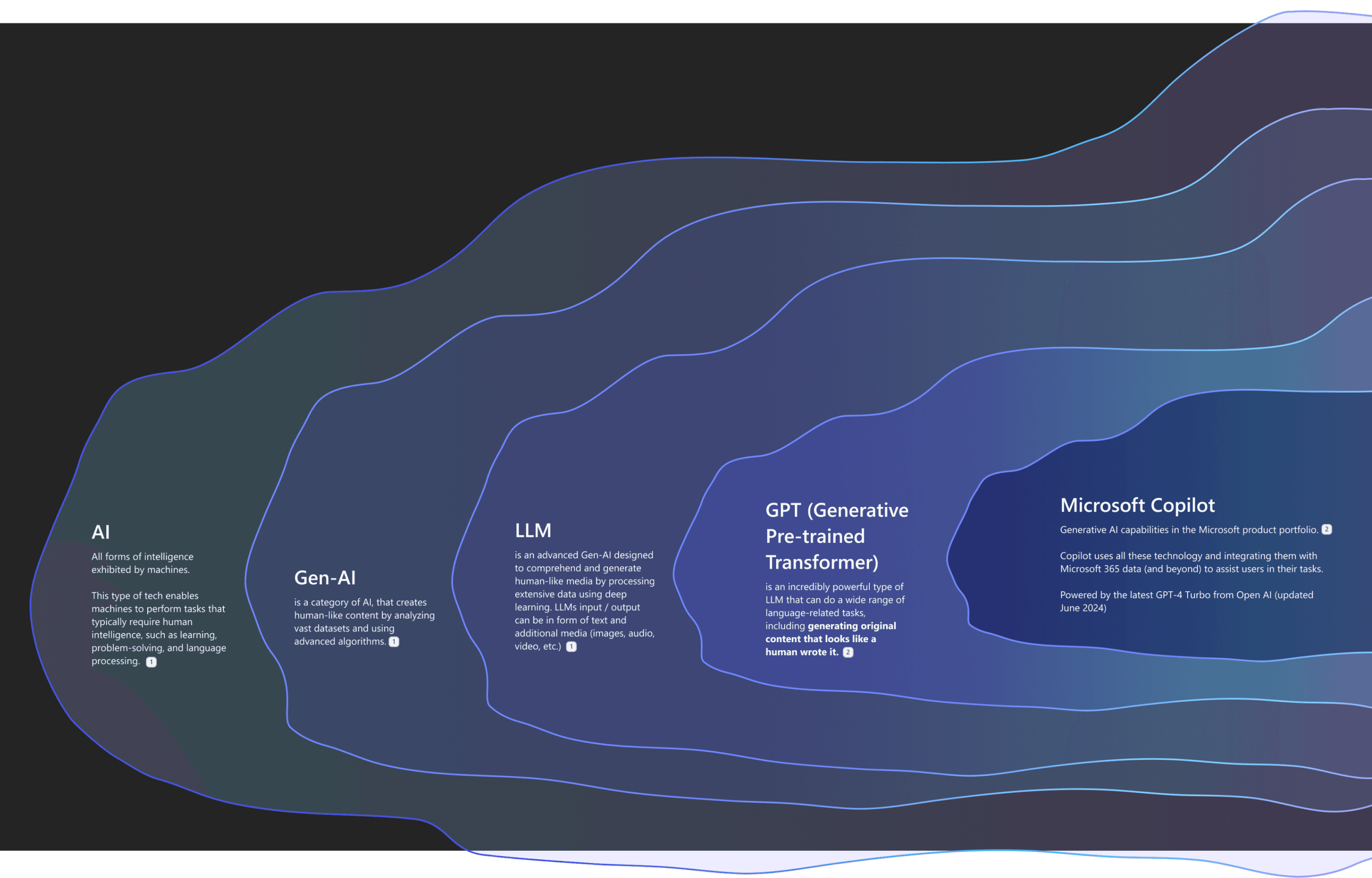
As a designer, I see AI as a powerful tool to enhance design efficiency and reimagine how it can improve our everyday experiences. However, the true success of AI lies in its user experience—creating interactions that feel safe, intuitive, and trustworthy is just as important as the technology itself.